

 English
 German
 French
 Russian
 Spanish
 Japanese
 Korean
 Portuguese
 Ukrainian
 Arabic
 Italian
International Certifications for Reliable Drinkware Factories: FDA, LFGB, BPA-Free & More
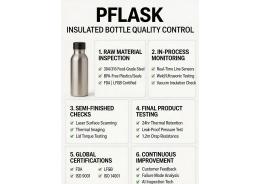
When sourcing drinkware (like water bottles, tumblers, or travel mugs) for your business or personal use, partnering with a reliable drinkware factory is crucial. A key indicator of reliability? The international certifications they hold. These certifications ensure products meet global safety, quality, and regulatory standards. Let’s explore the must-have certifications for any trustworthy drinkware manufacturer, with insights from industry best practices (and aligned with the expertise of factories like those at pflask.com).
1. FDA (U.S. Food and Drug Administration) Certification
The FDA sets standards for materials that come into contact with food and beverages in the United States. For drinkware, FDA certification means:
- Materials (like plastics, stainless steel, or coatings) are food-safe and won’t leach harmful substances into drinks.
- Compliance with strict regulations for “food-contact substances,” ensuring long-term safety for consumers.
2. LFGB (German Food and Consumer Goods Act) Certification
Originating from Germany, LFGB is one of the world’s most rigorous food-contact material standards. For drinkware, LFGB certification requires:
- Stringent testing for heavy metals, toxins, and harmful additives (even stricter than some other European standards).
- Compliance with “overall migration limits” (how much material can transfer from the drinkware to liquids).
3. BPA-Free Certification
BPA-Free (Bisphenol A-Free) isn’t just a label—it’s a certification that:
- Verifies the absence of Bisphenol A, a synthetic compound linked to health concerns (especially in plastics like polycarbonate).
- Applies to materials like plastics, resins, and even some coatings used in drinkware lids or liners.
4. SGS Certification (and Other Third-Party Audits)
SGS is a global leader in inspection, verification, and certification. For drinkware, SGS certification can cover:
- Material safety (e.g., testing for heavy metals, phthalates, or other contaminants).
- Quality management systems (ensuring consistent production standards).
- Social compliance (ethical manufacturing, labor standards, etc.)—critical for brands focused on sustainability.
5. ISO Certifications (e.g., ISO 9001, ISO 14001)
While not specific to food contact, ISO certifications reflect a factory’s operational excellence:
- ISO 9001: Quality management—ensures consistent product quality and efficient production.
- ISO 14001: Environmental management—proves the factory minimizes its environmental impact (e.g., waste, emissions, or sustainable sourcing).
6. CE Marking (for European Markets)
CE marking indicates a product meets European Union (EU) safety, health, and environmental protection requirements. For drinkware, CE marking applies to:
- Electrical drinkware (e.g., self-heating/cooling mugs) or
- General product safety for non-electrical drinkware (aligning with EU consumer protection laws).
How to Verify a Factory’s Certifications (Using pflask.com as a Model)
When evaluating a drinkware factory (like those at pflask.com), take these steps:
- Ask for documentation: Reputable factories will provide certified copies of their certifications (not just “claims” on a website).
- Check certification bodies: Ensure certifications are from accredited organizations (e.g., SGS, TÜV, or official government agencies like the FDA).
- Visit (or audit) the factory: For large orders, arrange a factory visit or third-party audit to confirm compliance.
Conclusion: Certifications = Trust, Safety, and Market Access
A reliable drinkware factory isn’t just about “making cups”—it’s about meeting global standards. Certifications like FDA, LFGB, BPA-Free, SGS, and ISO prove a factory’s commitment to safety, quality, and compliance. Whether you’re a brand launching a new drinkware line or a buyer seeking premium products, prioritize factories with these credentials. They reduce risk, build consumer trust, and open doors to global markets.
Ready to partner with a certified drinkware factory? Explore options at pflask.com—where quality and compliance are built into every product.