

 English
 German
 French
 Russian
 Spanish
 Japanese
 Korean
 Portuguese
 Ukrainian
 Arabic
 Italian
OEM vs ODM Services for Coffee Mugs: What’s the Difference?
When launching a coffee mug line for your brand, understanding the contrast between OEM (Original Equipment Manufacturer) and ODM (Original Design Manufacturer) services is crucial. Let’s break down how each works in the context of coffee mug production, using insights from pflask.com, a leading provider of custom drinkware solutions.
What is OEM for Coffee Mugs?
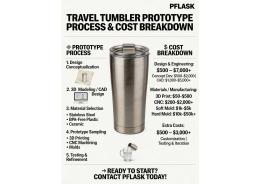
OEM (Original Equipment Manufacturer) services for coffee mugs involve a manufacturer producing a product based on your existing design. Here’s how it works:
- Design Ownership: You (the brand) provide the complete design (e.g., mug shape, size, material, artwork, branding). The OEM manufacturer follows your specifications to produce the mugs.
- Customization Focus: Customization is limited to your pre-approved design. The manufacturer’s role is to execute production (e.g., molding, printing, finishing) to match your exact requirements.
- Brand Involvement: Your brand drives the design process. The OEM acts as a production partner, ensuring quality and efficiency.
- Use Case: Ideal if you have a clear design vision (e.g., a unique mug shape for a specialty coffee brand) and need a factory to bring it to life.
For example, if your brand wants to launch a line of ceramic mugs with a proprietary “ergonomic grip” design, an OEM like pflask.com would use your blueprints to manufacture the mugs, handling production logistics like material sourcing and quality control.
What is ODM for Coffee Mugs?
ODM (Original Design Manufacturer) services for coffee mugs involve the manufacturer creating the product design and producing it, often with your brand’s input. Key points:
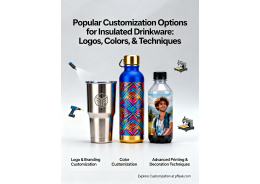
- Design Ownership: The ODM owns the base design (e.g., a standard mug shape, lid style, or material formula). You can customize elements like branding, colors, or minor design tweaks (e.g., adding a logo, changing the handle shape slightly).
- Customization Focus: Customization is more about branding and aesthetic tweaks to an existing design, rather than creating a completely new product from scratch.
- Brand Involvement: You collaborate with the ODM to refine their existing designs to fit your brand. The ODM leverages their R&D and design expertise to offer “off-the-shelf” designs you can personalize.
- Use Case: Perfect for brands needing quick time-to-market, lower upfront design costs, or access to proven, market-ready designs (e.g., a startup coffee brand wanting a trendy tumbler design with their logo).
For instance, pflask.com might offer a catalog of pre-designed stainless steel travel mugs. As an ODM client, you could choose a mug model, customize the color, add your logo via laser engraving, and adjust the packaging—without designing the mug from scratch.
Key Differences Between OEM and ODM for Coffee Mugs
| Aspect | OEM for Coffee Mugs | ODM for Coffee Mugs |
|---|---|---|
| Design Responsibility | Brand provides the full design; manufacturer executes production. | Manufacturer provides the base design; brand customizes branding/aesthetics. |
| Customization Depth | Full customization (shape, material, artwork, etc.) based on your design. | Partial customization (branding, colors, minor tweaks) to existing designs. |
| Time to Market | Longer (requires design finalization, prototyping, tooling). | Shorter (leverage existing designs; focus on branding tweaks). |
| Upfront Costs | Higher (design, prototyping, tooling costs for new designs). | Lower (no need for new tooling/design; use existing molds/designs). |
| Brand Control | Full control over design (ideal for unique, proprietary products). | Partial control (focus on branding; rely on manufacturer’s design expertise). |
| Expertise Needed | Requires in-house design/engineering expertise (or a design partner). | Minimal design expertise needed (manufacturer handles design R&D). |
How to Choose Between OEM and ODM for Your Coffee Mug Line?
Consider these factors when deciding:
- Design Vision: If you have a unique, patentable design (e.g., a mug with a built-in coffee filter), OEM is better. If you need a “safe” design with quick customization, ODM works.
- Budget & Timeline: ODM is cheaper and faster (no new tooling/design costs). OEM requires more investment (design, prototyping) but offers exclusivity.
- Market Goals: Launching a niche product? OEM. Scaling quickly with trendy designs? ODM.
- Expertise: Do you have a design team? OEM is feasible. If not, ODM’s turnkey designs reduce risk.
For example, a well-established coffee roaster with a dedicated product design team might opt for OEM to create a signature mug that stands out. A new café chain, however, might choose ODM to launch branded mugs using pflask.com’s popular double-walled ceramic design, customizing only the logo and color.
Conclusion
Both OEM and ODM services offer powerful pathways to launch custom coffee mugs, but they serve different needs. OEM empowers brands with bold, proprietary designs, while ODM streamlines production with proven, customizable templates. By understanding these differences—and leveraging a partner like pflask.com—you can choose the right approach to bring your coffee mug vision to life, balancing creativity, cost, and speed to market.