

 English
 German
 French
 Russian
 Spanish
 Japanese
 Korean
 Portuguese
 Ukrainian
 Arabic
 Italian
Travel Tumbler Prototype Creation: Process & Cost Breakdown
Bringing a new travel tumbler design to life starts with a well-planned prototype. Whether you’re an entrepreneur, designer, or brand looking to launch innovative drinkware, understanding the prototyping process and associated costs is crucial. At Pflask, we specialize in crafting high-quality, functional travel tumblers—here’s how we turn ideas into tangible prototypes.
The Prototype Creation Process
1. Design Conceptualization
Every prototype begins with a clear vision. This stage involves sketching ideas, defining key features (e.g., insulation, lid design, ergonomics, branding areas), and aligning the design with your target audience’s needs. Our team at Pflask collaborates with you to refine concepts, ensuring the tumbler is both aesthetically appealing and practical for daily use.
2. 3D Modeling & CAD Design
Once the concept is finalized, we translate sketches into 3D CAD (Computer-Aided Design) models. This digital blueprint details every dimension, curve, and component (like lids, straws, or grip textures). CAD design allows us to test virtual iterations, adjust proportions, and identify potential flaws before physical production—saving time and resources.
3. Material Selection
Travel tumblers rely on durable, food-safe materials. Common choices include:
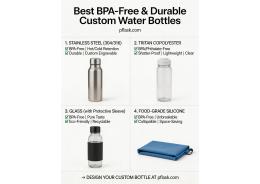
- Stainless Steel: Ideal for insulation, durability, and premium feel (a Pflask specialty).
- Plastic (BPA-free): Lightweight, budget-friendly, and customizable.
- Ceramic/Glass: For unique aesthetics (less common for travel tumblers due to weight/breakage risks).
Material choice impacts both cost and functionality (e.g., stainless steel adds insulation but may increase prototyping expenses).
4. Prototype Sampling
With design and materials locked in, we create a physical prototype. Methods include:
- 3D Printing: Fast for early-stage, low-cost iterations (ideal for testing shape/ergonomics).
- CNC Machining: Precision-cut for metal or plastic prototypes (suits detailed designs).
- Soft Tooling (Silicone Molds): For small-batch sampling, especially with complex shapes.
- Hard Tooling (Steel Molds): Reserved for final production, but may be used for high-fidelity prototypes (costlier, but accurate).
At Pflask, we prioritize sampling methods that balance accuracy and cost, ensuring your prototype reflects the final product’s quality.
5. Testing & Refinement
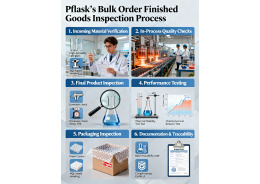
Prototypes undergo rigorous testing: insulation performance, leak-proofing, durability (drop tests), and user feedback. We refine the design based on results—adjusting dimensions, materials, or features to optimize functionality and aesthetics. This iterative process reduces risks in full-scale production.
Cost Factors in Travel Tumbler Prototyping
Costs vary based on design complexity, materials, and production methods. Here’s a breakdown of key expenses:
1. Design & Engineering
- Concept Development: $500–$2,000 (for sketches, 2D/3D renderings, and initial consultations).
- CAD Design: $1,000–$5,000+ (depends on design complexity, e.g., custom lids, insulation layers).
2. Materials & Manufacturing
- 3D Printing: $50–$500 per prototype (plastic/resin; metal 3D printing is pricier).
- CNC Machining: $200–$2,000+ (metal prototypes, especially stainless steel, cost more).
- Mold Creation (Soft Tooling): $1,000–$5,000 (ideal for 5–50 prototypes).
- Mold Creation (Hard Tooling): $10,000–$50,000+ (reserved for production, but may be used for ultra-realistic prototypes).
3. Quantity & Customization
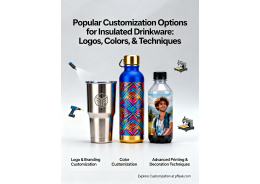
Producing 1–5 prototypes is cheaper than 50+, but bulk sampling (e.g., 20–50 units) helps test scalability. Custom features (e.g., laser engraving, unique lid mechanisms) add $100–$1,000+ to prototyping costs.
4. Testing & Iteration
Insulation testing, durability trials, and design tweaks add $500–$2,000+, depending on the scope. However, this investment reduces risks in mass production.
Working with Pflask for Prototyping
At Pflask, we simplify the prototyping journey for travel tumblers:
- Expert Guidance: Our team advises on materials, design feasibility, and cost-saving options (e.g., using standard components for lids to reduce complexity).
- Scalable Solutions: From 3D-printed concepts to pre-production samples, we adapt to your project’s stage.
- Transparent Pricing: We provide detailed quotes for design, sampling, and testing, so you know costs upfront.
- Quality Assurance: Every prototype meets our high standards for functionality and aesthetics, ensuring a smooth transition to production.
Conclusion
Creating a travel tumbler prototype involves a structured process—from design to sampling to refinement—with costs ranging from $2,000–$20,000+, depending on complexity. By partnering with Pflask, you gain access to expertise that streamlines prototyping, reduces risks, and brings your innovative drinkware design to life efficiently. Ready to start? Contact us to discuss your travel tumbler prototype today!