

 English
 German
 French
 Russian
 Spanish
 Japanese
 Korean
 Portuguese
 Ukrainian
 Arabic
 Italian
Safety Standards for Children’s and Sports Drinkware: What You Need to Know
When it comes to drinkware for children or sports, safety is paramount. Whether you’re choosing a sippy cup for your toddler or a water flask for your daily workout, understanding the specific safety standards ensures you select products that protect health and enhance usability. Let’s dive into the key safety requirements for kids’ and sports - focused drinkware.
1. Children’s Drinkware Safety Standards
Children’s drinkware must meet rigorous standards to protect young users from harm. Here’s what to look for:
- Material Safety:
Children’s cups, bottles, and sippy cups should be made from BPA - free (Bisphenol - A free) materials. BPA is a chemical that can leach into liquids and potentially disrupt hormonal development. Food - grade plastics (like Tritan™), stainless steel, or glass (for older kids) are preferred. Materials should also be free from phthalates, lead, and other toxic substances. For example, products from reputable brands often use FDA - approved food - contact materials to ensure safety.
- Design Safety:
Spouts, straws, and lids must be designed to prevent choking. Sippy cup spouts should have flow - control features to avoid spills and excessive liquid intake. Handles or grips should be ergonomic for small hands, reducing the risk of drops (which could cause spills or breakage). Leak - proof designs are also crucial to prevent messes and avoid liquids damaging other items (or causing slips).
- Certifications:
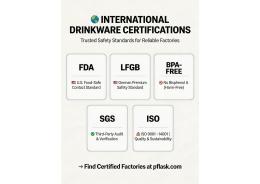
Look for certifications like CPSC (Consumer Product Safety Commission) compliance (mandatory for children’s products in the US), FDA (Food and Drug Administration) approval for food - contact materials, or CE marking (for European markets). These certifications ensure the product has been tested for safety and meets regulatory requirements.
- Choking and Injury Prevention:
Small parts (like detachable straws or lid components) must be securely attached or sized to prevent choking. Edges should be smooth, and the overall design should avoid sharp corners that could injure a child.
2. Sports Drinkware Safety Standards
Sports drinkware (e.g., water bottles, flasks, hydration packs) has its own set of safety and performance - based standards:
- Material Durability & Safety:
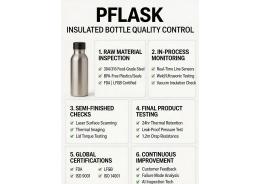
Sports bottles are often exposed to rough handling, so materials like stainless steel (food - grade 304 or 316), BPA - free Tritan, or food - grade silicone (for collapsible flasks) are standard. These materials resist cracking, leaking, and chemical leaching, even with repeated use and cleaning.
- Durability & Impact Resistance:
Sports drinkware should withstand drops, bumps, and outdoor conditions. Look for products with shatter - proof construction (e.g., impact - resistant plastics) or rugged stainless - steel bodies. Some brands, like those featured on pflask.com, prioritize durability to ensure their flasks last through intense workouts and adventures.
- Functional Design Safety:
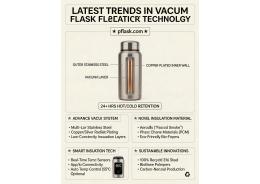
Leak - proof lids are essential to prevent spills in gym bags or during activity. For sports bottles with straws or spouts, the design should allow easy, hygienic sipping (e.g., flip - top lids that keep the drinking surface clean). Some sports drinkware also includes insulation to maintain liquid temperature, and these insulated layers must be free from harmful chemicals.
- Certifications:
Sports drinkware intended for food contact should meet FDA (US) or LFGB (German Food and Feed Code) standards. For international markets, compliance with regional safety regulations (like EU’s REACH for chemical safety) is also important.
3. How to Choose Safe Drinkware
To ensure you pick safe drinkware for kids or sports, follow these tips:
- Check product labels for BPA - free, food - grade material claims, and certifications (e.g., FDA, CPSC, CE).
- For children’s drinkware, inspect the design for small parts, smooth edges, and age - appropriate features (e.g., easy - to - grip handles for toddlers).
- For sports drinkware, test durability (e.g., check reviews for leak - proof and impact - resistant performance) and ensure the design suits your activity (e.g., a hands - free hydration pack for running, a compact flask for weightlifting).
- Buy from reputable brands that prioritize safety and transparency, like those showcased on pflask.com, where product details and safety standards are clearly communicated.
Conclusion
Safety standards for children’s and sports drinkware cover material safety, design integrity, and regulatory compliance. By understanding these standards—from BPA - free materials to impact - resistant construction and global certifications—you can confidently choose drinkware that keeps kids safe and supports athletic performance. Always prioritize products that meet or exceed these standards to ensure peace of mind with every sip.